Ms. Veteran Affairs: Tips for Adjusting to New Roles Post-Military
Jan 07, 2026
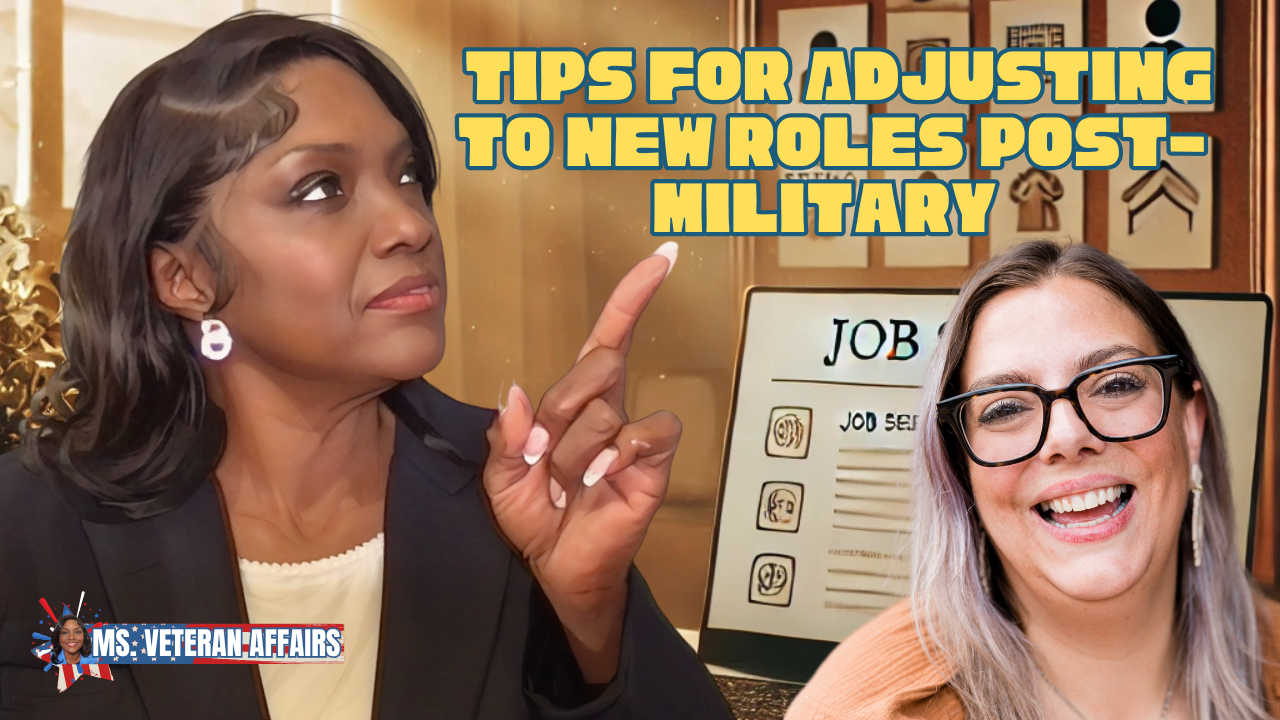 Ms. Veteran Affairs Shares Tips for Adjusting to New Roles Post-Military
Angie stood in the doorway of their small kitchen, staring at the empty coffee mug in her hands. The house felt quieter than ever. No more military gear scattered around, no more rushing to meet her husband’s schedules. No more deployments, no more chaos. But there was a new silence, one that wasn’t so easy to fill.
Her husband, Mark, had just retired from the Army after twenty years of service. The transition had been smooth on the surface—he’d traded his combat boots for civilian shoes and was excited to finally relax, explore new interests, and settle down. But for Angie, everything had changed.
For the past two decades, Angie had been the one supporting Mark’s career. She had moved with him from base to base, often putting her own career dreams on hold, raising their children, and being the unshakeable rock. Now, with Mark’s retirement, Angie found herself asking, Who am I without that role?
Her own dreams had slipped further and further into the background. The once-vibrant plans she had for starting a career, continuing her education, or even exploring her own passions felt like distant fantasies.
It was on one particularly challenging morning—sitting at a support group for military spouses—where Angie met someone who would change everything.
An Unexpected Meeting
The group session was meant to be lighthearted: a space for military spouses to connect, share stories, and support each other through their own transitions. Angie wasn’t in the mood to mingle. She felt stuck—staring at women who seemed to have it all figured out, while she was drowning in self-doubt.
As the group leader handed out pamphlets about available resources, a woman at the front of the room stood up and introduced herself with confidence and purpose.
"Hi, I’m Ms. Veteran Affairs," she said, her voice cutting through the murmur of the room. “I’m here to help you navigate the challenges of transition—not just for your service member, but for you as well. This journey is about reclaiming your identity and purpose, even when it feels like it’s been lost in the shuffle."
Angie’s heart skipped a beat. She felt like Ms. Veteran Affairs was speaking directly to her.
After the session, the woman—whose real name was Dana—approached Angie with a smile that felt genuine. "You’ve been quiet," Dana said. "But I can see you’re in a place where you need some direction."
Angie nodded, unsure of what to say.
“Let me guess,” Dana continued. “Your husband’s retired, and you’re feeling... adrift. You’ve spent so much time supporting his career that you’ve lost sight of your own. Am I close?”
Angie’s eyes welled up with tears. “How did you—”
Dana placed a reassuring hand on Angie’s shoulder. “You’re not the only one. I’ve seen it countless times, and I can help you get back on track.”
The Advice
Dana didn’t just offer Angie a set of generic platitudes. She laid out a specific plan, one that would guide Angie through reclaiming her sense of purpose and pursuing new goals. The tips and advice she shared felt like a lifeline, practical and empowering.
“Start by identifying transferable skills,” Dana explained. “You’ve already mastered resilience, organization, and problem-solving. These skills are incredibly valuable. Whether it’s managing a home, running a volunteer program, or even taking on part-time work, these skills make you adaptable in any environment.”
Angie’s eyes opened wide. She was right. She had been managing chaos for years—scheduling appointments, navigating multiple moves, balancing family life with endless demands. Why had she never seen that as experience?
Dana handed Angie a small notepad. "Next, set clear, achievable goals," she continued. “It’s easy to feel overwhelmed, so break down your aspirations into smaller, manageable steps. Want to go back to school? Start by researching one program. Looking for a job? Apply for one position each week. Little steps will help you build momentum.”
Angie nodded, jotting down notes. Dana’s approach was realistic, grounded in practicality, and full of hope.
“Don’t forget to build your network,” Dana added. “Reach out to other spouses who’ve made successful transitions. They’ll help guide you, and you’ll learn from their experiences. The connections you make will be invaluable.”
Angie paused. She realized how much she’d isolated herself in the past, assuming that she had to do everything alone. She hadn’t sought out the support of others like her.
“And most importantly,” Dana said, locking eyes with Angie, “Give yourself grace. Transition isn’t a race. It’s okay to feel lost sometimes. You’re not starting from scratch—you’re starting with experience. And that’s more valuable than you realize.”
The Transformation
The next few months were a blur of hard work, self-reflection, and personal growth. Angie took Dana’s advice to heart. She began small, applying for part-time administrative jobs to ease back into the workforce. She took evening courses online in subjects that excited her, things she had always been passionate about, like graphic design.
She reached out to other military spouses in her area, attending networking events and connecting with women who understood her struggles. Slowly, Angie began to feel a sense of purpose return, something she hadn’t felt in years.
One day, while volunteering at a community event for veterans’ families, Angie received an unexpected message from a local business. They had an opening for a graphic designer, and they wanted to offer her an interview.
The excitement was overwhelming. Angie had finally found her stride. The transition was no longer about searching for a new identity—it was about embracing the woman she had always been, with the added experience of her journey as a military spouse.
Paying It Forward
At the next support session, Angie stood up in front of the group, just like Dana had. With newfound confidence, she shared her story—her challenges, her breakthroughs, and how she had taken control of her future.
“Transition isn’t easy,” Angie said, her voice strong. “But with the right support and the right mindset, it’s possible to reclaim your dreams and build something new. If I can do it, so can you.”
Afterwards, Dana approached her, a proud smile on her face. “You’re doing great,” she said. “I knew you had it in you all along.”
Angie smiled back. “I just needed someone to show me how to believe it.”
The Message
For military spouses like Angie, adjusting to a new role post-military isn’t just about finding a job—it’s about rediscovering a sense of purpose. With the right tools, support, and mindset, anyone can navigate this transition and build a fulfilling, meaningful future.
Discussion Questions:
- What are some of the unique challenges that military spouses face when transitioning to civilian roles, and how can they be addressed?
- How can military spouses identify and leverage the transferable skills they’ve developed during their time supporting their service member?
- In what ways can setting clear, achievable goals help military spouses avoid feeling overwhelmed during their career transition?
- Why is building a strong network important during a transition, and how can military spouses connect with others who understand their experiences?
- How can military spouses give themselves grace during the transition process, and why is it important to recognize that setbacks are part of growth?
Join our community today!
Gain fresh insights every week—concise, impactful lessons designed to elevate your thinking, enhance self-awareness, and empower purposeful growth.
We hate SPAM. We will never sell your information, for any reason.