Mentoring Veterans to Advocate for Veteran-Friendly Policies
Jan 14, 2026
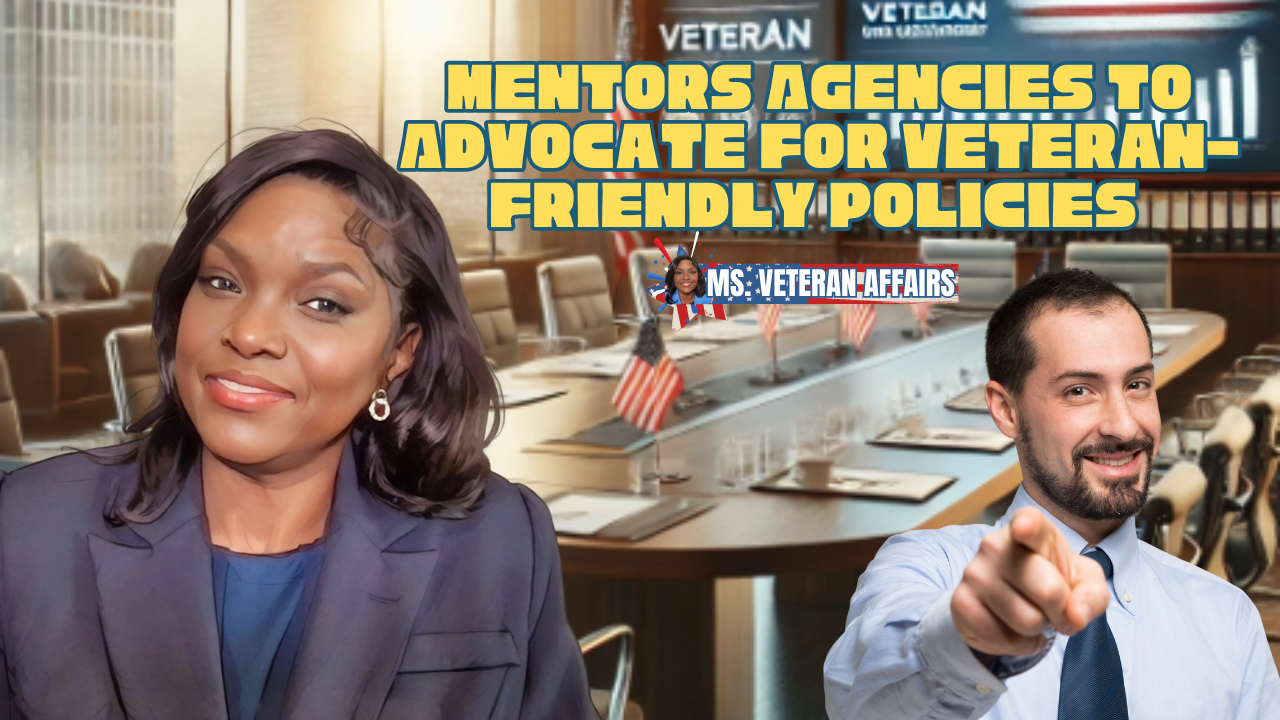 Ms. Veteran Affairs Mentors Agencies to Advocate for Veteran-Friendly Policies
Eric stared at the clock on the wall. It had stopped. Not in the metaphorical sense, but literally. The second hand hung frozen, its pulse silenced. A symbol of how he felt about his life at the moment: stuck.
Just weeks after transitioning out of the military, he found himself sitting at a corporate desk, staring blankly at a spreadsheet, trying to figure out how his structured, mission-driven military experience fit into this world of endless meetings and abstract corporate goals. He had earned commendations, led complex missions, but now he was just another employee trying to get through the workday. The job was fine, but it didn’t feel right. It didn’t feel like it belonged to him.
What bothered him most were the subtle comments from colleagues who didn’t understand. "You served in the military? Isn’t that… intense?" or "Don’t you just want to relax now?" He felt alienated in a space where everyone seemed so far removed from the challenges he had faced, and the policies in place didn’t seem to recognize the need for flexibility or support for veterans like him.
One afternoon, while walking through the company’s lobby, Eric saw a flyer for a veteran support seminar being held at a nearby community center. At first, he hesitated. He was tired of feeling like the "outsider" and didn’t know if he’d find anyone who truly understood his situation. But something inside him clicked. Maybe this could be the breakthrough he needed. Maybe there was someone out there who could guide him toward a better path.
An Unexpected Connection
Eric walked into the seminar room feeling like an intruder. There were a few veterans scattered around the room, all deep in conversation. But then, in the corner, he noticed a woman with a calm, authoritative presence. She was speaking with a group of company leaders and was visibly guiding them through some complex strategies.
Eric caught her eye. There was something about the way she carried herself—confident, direct, yet empathetic. The group quickly dispersed, and the woman approached him.
"You look like you have something on your mind," she said with a knowing smile. "I'm Ms. Veteran Affairs, but you can call me Dana."
Eric felt the weight of her presence and didn’t quite know what to say. “I... I’m just struggling to find my place. I’m in a good job, but I don’t feel understood. I don’t think they get what we went through in the military. The policies, the workplace—they’re not built for veterans like me.”
Dana’s eyes softened. She understood all too well. "It’s not uncommon," she said, sitting down beside him. “The transition can be overwhelming. But you know, it’s not just about finding a new job—it’s about creating a workplace that truly values veterans, a place where you can bring your experience and be respected for it.”
Dana had been working for years as a mentor to veterans and organizations, guiding them on how to advocate for veteran-friendly policies within corporate settings. She immediately recognized Eric’s potential and saw how his experiences could make a significant impact, not just for him but for other veterans at his company.
"I can help you," Dana continued, her voice steady. "You don’t have to just adapt to a corporate world that doesn’t understand you. You can be the catalyst for change. You can be the voice that brings real change for veterans in your workplace."
The Steps to Change
Over the next few weeks, Dana mentored Eric, showing him the steps he could take to advocate for veteran-friendly policies in his company. She equipped him with actionable advice and clear strategies for approaching leadership with the right mindset.
“First," Dana said, "you need to educate your coworkers and management about the challenges veterans face. Many of them simply don’t know. Hold a presentation or workshop to explain the realities of transitioning from military to civilian life, and what needs veterans have—mental health support, flexible hours, etc.”
Eric nodded, already beginning to formulate a plan. "I think I can do that," he said.
“Next, work on building a support network within the company. Create a veteran’s group. It doesn’t have to be big. It’s about giving veterans a voice and providing mentorship,” Dana added, pulling out a notebook and writing down ideas. “You can provide peer support and create a sense of camaraderie in the workplace that veterans desperately need.”
Eric felt his confidence rise. “I’ve always been good at bringing people together. I think I can organize something like that.”
“And don’t forget about the flexibility,” Dana continued. “Veterans sometimes need time for therapy or appointments. Talk to your HR department about creating a policy that provides flexibility for these needs. If we can make it part of the company culture, it’ll normalize the process and remove some of the stigma.”
Eric took a deep breath. “This is exactly what we need. I’ve always been hesitant to bring this up because it feels like I’m asking for special treatment, but now I see it’s about fairness.”
Dana smiled. “Exactly. Now, get involved in career development programs. Ensure veterans have access to training that helps them leverage their skills in leadership and management roles. You’ve earned that, Eric. You’re already a leader. Now, you just have to help others see that.”
By the end of their sessions, Eric was ready to take the next step. Armed with Dana’s guidance, he presented his ideas to his management team. To his surprise, they listened intently and were open to change.
The Outcome
Months later, Eric stood in front of the same group of veterans at another seminar, sharing his success story. He had helped his company create a veteran support network, adjust policies to include more veteran-friendly options, and increase awareness across all departments about the specific needs of veterans.
His efforts had not only made his workplace more supportive, but they had also sparked a company-wide initiative to become a more veteran-friendly employer. Eric had finally found his place—not just as an employee, but as a leader and advocate for change. And all it took was one conversation, one mentor, and a willingness to make his voice heard.
Discussion Questions:
- What are some of the challenges veterans face in the civilian workforce, and how can these challenges be addressed through company policies?
- How can veterans use their unique experiences to advocate for a more inclusive and supportive work environment?
- What role do veteran support networks play in creating an inclusive workplace, and how can veterans contribute to building these networks?
- Why is flexibility in the workplace critical for veterans, and how can HR departments support these needs?
- What are some strategies for empowering veterans to take on leadership roles within their organizations, and how can organizations provide the necessary support for their growth?
Join our community today!
Gain fresh insights every week—concise, impactful lessons designed to elevate your thinking, enhance self-awareness, and empower purposeful growth.
We hate SPAM. We will never sell your information, for any reason.