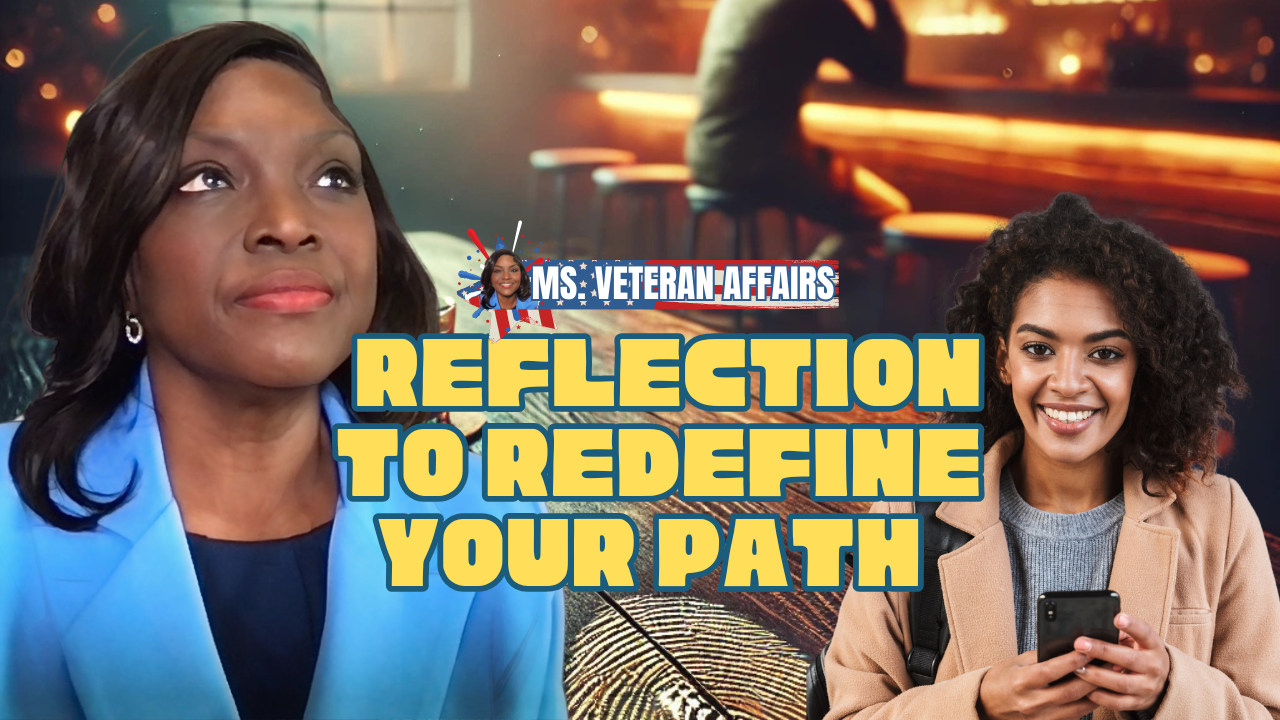
Ms. Veteran Affairs Prioritizing Self-Care for Veterans After Service
Nov 26, 2025
 Ms. Veteran Affairs Discusses the Importance of Self-Care After Service
A Dangerous Choice
It was the sound of tires screeching on the pavement that caught her attention. Ms. Veteran Affairs, always alert, had been walking through the park when she saw the car weaving dangerously between pedestrians. Without a second thought, she ran toward the vehicle, adrenaline pumping through her veins, but what happened next was not something she could have prepared for.
The car came to a screeching halt just inches from her, and the driver—a young man, no older than 28—slammed his hand against the steering wheel in frustration. He was sweating, his eyes wide with panic, as if his mind were elsewhere. Ms. Veteran Affairs approached cautiously, ready for anything. She had seen her fair share of emergencies, but there was something different about this one. Something that told her this wasn’t just a reckless driver—it was a man on the edge.
“Are you okay?” she asked, her voice steady but soft, knowing full well this man might be more than just upset. She could see it in his eyes—the pain, the exhaustion. He wasn’t just frustrated about his driving; there was something deeper.
The man, Chris, turned to her with a tight-lipped smile. “I’m fine. Just had a rough morning.”
But Ms. Veteran Affairs wasn’t fooled. She had spent years working through her own struggles after leaving the service, and she could see it in his eyes—the same haunted look that had once reflected her own. “It doesn’t look like you’re fine. What’s going on?”
That’s when he broke down. The tension in his face melted away as his story poured out—years of military service, a rough transition back to civilian life, a demanding career, and the guilt of not having the time or energy for self-care. His body was running on fumes, his mind scattered and overworked. Chris admitted that he had been trying to escape it all, but the weight of his past was dragging him back down.
Ms. Veteran Affairs listened quietly, nodding in understanding. She knew exactly what he was going through. But she also knew that he didn’t have to face it alone. She had found a way to rebuild her life after her own battles, and she was determined to help him find his way too.
“Chris, what you’re feeling is normal,” she said. “But you don’t have to keep pushing yourself to the breaking point. You can take control of your well-being. It's about making the right choice—not a dangerous one.”
The Unseen Struggles: Why Self-Care is Often Overlooked by Veterans
Chris had put everything he had into his career. He had worked tirelessly, pushing through the exhaustion, the anxiety, and the stress. But he wasn’t alone in this. Many veterans, including Ms. Veteran Affairs herself, had struggled to understand the importance of self-care after leaving the military. It wasn’t just about physical health; it was about emotional and mental well-being too.
“I was always told to push through, to keep going no matter what,” Chris said. “But now I realize I was ignoring the signs. I thought I had to keep fighting, even after my service ended.”
Ms. Veteran Affairs nodded, her voice calm but firm. “That’s a dangerous choice. It’s easy to think that because we’ve been through so much, we can handle it all. But the truth is, if you don’t take care of yourself, eventually, your body and mind will shut down. You need to start prioritizing you.”
Building a Foundation of Self-Care: The First Step in Your Transition
Ms. Veteran Affairs had learned this lesson the hard way. After her own transition out of the military, she had neglected her well-being, focusing on the needs of her family, her work, and everything else. But over time, the cracks started to show.
“When I finally realized I wasn’t taking care of myself, I was already at my breaking point,” she confessed. “It took me losing myself to understand the importance of self-care. But when I did, that’s when things started to change.”
She looked at Chris, her eyes filled with compassion. “You need to start small. It's about making yourself a priority—physically, mentally, and emotionally. You can’t pour from an empty cup.”
Mindfulness and Mental Health: Prioritizing Your Emotional Well-Being
Chris had never really thought about mindfulness or mental health. His entire focus had been on pushing forward, avoiding feelings that might weaken him. But Ms. Veteran Affairs had a different perspective.
“Mindfulness isn’t just a buzzword,” she said. “It’s about being in tune with yourself. It’s about listening to your body and your mind, checking in with how you feel every day. It's about being present—without the guilt or the pressure.”
She encouraged Chris to try journaling, meditation, and deep breathing exercises. “It may sound simple, but starting your day with a few minutes to center yourself can make a huge difference in how you handle stress. You don’t need to do it all at once. Just take it step by step.”
Physical Health Post-Service: Keeping Your Body in Check
Chris had been neglecting his physical health for months, maybe even years. His workouts had dwindled to nothing, and his sleep was erratic. Ms. Veteran Affairs reminded him that taking care of his body was just as important as taking care of his mind.
“Exercise doesn’t have to be complicated. Start with something small—go for a walk, take the stairs instead of the elevator, stretch your body every day. You don’t have to run a marathon tomorrow,” she said with a gentle smile.
She explained the importance of sleep and rest. “If you’re not getting enough sleep, you won’t be able to function properly. It’s the foundation of everything else—your mental clarity, your physical energy, your emotional resilience.”
Making Time for Yourself: The Importance of Rest and Recharging
Chris had always been on the go, but now he was beginning to understand the value of slowing down. “You need to make time for yourself,” Ms. Veteran Affairs urged him. “Rest, recharge, and don’t feel guilty about it. When you’re rested, you’re better for everyone else around you.”
By the time their conversation ended, Chris was no longer that man in the car, struggling to keep it all together. He was someone who understood the power of choice—the choice to put himself first, to care for his mind, body, and spirit. And that, Ms. Veteran Affairs knew, was the first step to truly rebuilding his life.
Tips to Get Started on Your Self-Care Journey:
- Make time for yourself every day – even if it's just 10 minutes to unwind.
- Set boundaries – Don’t overcommit to things that drain your energy.
- Start small with physical activity – A short walk or stretching can work wonders.
- Practice mindfulness – Journaling or meditation can help you stay grounded.
- Prioritize sleep – Your body and mind need it to function at their best.
Taking control of your self-care isn’t just a choice—it’s the choice that will set the foundation for your success in civilian life. Remember, it’s not about doing everything at once; it’s about making consistent, small changes that help you feel whole again.
Discussion Questions:
- Why do you think many veterans, like Chris, struggle to prioritize self-care after transitioning to civilian life? What barriers do they face, and how can these be overcome?
- How can mindfulness and mental health practices, like journaling or meditation, help veterans cope with the challenges they face in civilian life?
- What are some small, achievable steps veterans can take to improve their physical health after service, especially when they feel overwhelmed or disconnected?
- In your own experience or from what you've heard, how does neglecting self-care impact not only the individual but also their family and career?
- What role do rest and personal time play in ensuring that veterans remain mentally and physically healthy? How can veterans create space for rest in their daily routines without feeling guilty?
Join our community today!
Gain fresh insights every week—concise, impactful lessons designed to elevate your thinking, enhance self-awareness, and empower purposeful growth.
We hate SPAM. We will never sell your information, for any reason.